Removal Companies in Harrow

Removal Companies Harrow provides practical moving support for households and businesses that want a managed, orderly relocation in Harrow. The main service is removals, carried out with attention to packing, loading, transport and delivery so belongings are handled in a structured way from start to finish. Where needed, we can also help with related moving tasks such as packing and unpacking services and the careful movement of everyday household items, furniture and office contents.
Choosing a removal company is often about more than simply getting items from one place to another. The work usually needs planning around access, item sizes, parking, stairways, lifts and the order in which possessions should be loaded or unloaded. If you are comparing options, our service pages can help you decide which approach suits the move best, including house removals for domestic moving and office removals for business relocation. Start with the items that matter most, then build the move around them.
A good quotation begins with clear information about what is being moved and where it is going. If you are ready to go ahead, request a quotation once you have a simple inventory and the moving date in mind. For a general overview of our moving work, you can also read about removal services before asking for a tailored price.
Domestic moving support

House moves can involve a single heavy item, a flat full of furniture or a full family relocation with boxes, fragile belongings and larger pieces that need careful handling. Our domestic work is centred on making that process more organised. The service can suit people moving from maisonettes, terraced homes, apartments or larger properties, with the practical details shaped around what needs lifting, carrying and transporting. In many cases, the most useful part of the job is simply having a team that follows a sensible order, so the move does not become chaotic at the point of loading.
We can support a range of home-moving needs through related services such as home moves, house movers and house removalists. Those pages reflect the same core type of work from slightly different angles, and they are useful if you want to compare the wording that best matches your move. The right choice usually depends on whether you need a straightforward transport option or a fuller moving service that includes handling, coordination and careful placement at the destination.
When planning a domestic removal, it helps to think in terms of access, volume and fragility. Bulky furniture, wardrobes, white goods and boxed household goods can each need a slightly different approach. A well-prepared move reduces the chance of delays and makes it easier to keep items grouped sensibly. If you are collecting details for pricing, use the furniture list, floor access and moving distance as a starting point, then ask for a quotation when you are ready.
Careful packing and furniture handling

Packing work is often what turns a difficult move into a manageable one. Boxes that are sealed properly, fragile items that are wrapped with care and furniture that is protected before transport all contribute to a smoother delivery. We can support this part of the process through packing and unpacking services, which are useful when you want help preparing items for transit or settling them into the new property afterwards. The aim is always to keep the move orderly rather than overcomplicate it.
Furniture handling deserves particular attention because many items are awkward rather than simply heavy. Tables, beds, cabinets, shelving, mirrors and sofas can each require a different grip, route and loading position. If your move includes one or more large pieces, the practical work is often less about speed and more about protecting finishes, corners and joints. That is why a good removal plan is usually built around the items themselves instead of around a generic timetable.
For people who need a lighter moving option, man and van style work can be suitable when the load is limited and straightforward. It is often chosen for a smaller relocation, a partial house move or transport of a few larger items that still need responsible handling. If you are unsure whether a full removal service or a smaller vehicle-based move is the better fit, request a quotation and describe the furniture rather than only the number of boxes.
Business and office removals
Business moving needs can be very different from domestic ones. Desks, office chairs, storage units, filing systems, screens and boxed paperwork may all need to be moved with minimal disruption to day-to-day operations. Our office work is designed for that type of relocation, with attention to sequence and access so the move is sensible from departure to delivery. If you need a more complete business relocation service, office relocation services can be a useful starting point.
Commercial moves often require clear labelling, grouped loading and a realistic view of what should be moved together. That can be especially important where teams, equipment or workstations need to be re-established at the destination in a particular order. The process is usually easier when larger furniture, archive material and smaller office items are separated before moving day. Keep the essentials together, then let the remaining contents follow a planned loading sequence.
If your organisation is moving premises, you may also want to compare broader transport options such as commercial moves and movers. Those pages are helpful when the job extends beyond a simple van trip and needs a more structured removal arrangement. For a quote, it is enough to note the number of rooms or work areas, any bulky items and the destination address details you are comfortable sharing.
Vehicle options and moving capacity

Different moves call for different vehicle sizes and loading approaches. A compact transport job may only need a van, while a larger house clearance or multi-room relocation may require more capacity and a more deliberate loading plan. Our service pages cover several transport-related options, including moving van, moving truck and removal van. These pages can help you understand the sort of support that matches the scale of your move.
Choosing the right vehicle is not only about space. It also affects how items are stacked, secured and unloaded. A move with mixed contents may need a vehicle layout that keeps lighter boxes away from heavy furniture and protects items with awkward shapes. That is why the most useful quotation details are the ones that explain what is being moved, whether anything is especially delicate and whether access is straightforward at both ends.
Where the load is smaller, a service described as man with van, man with van removal or man with a van may be relevant. These pages reflect a more compact moving arrangement and can suit people who need help with transport and loading without requiring a larger removal setup. If you are comparing choices, look at the items first, then decide whether a full removal or a smaller vehicle-based option is the better fit.
About Harrow
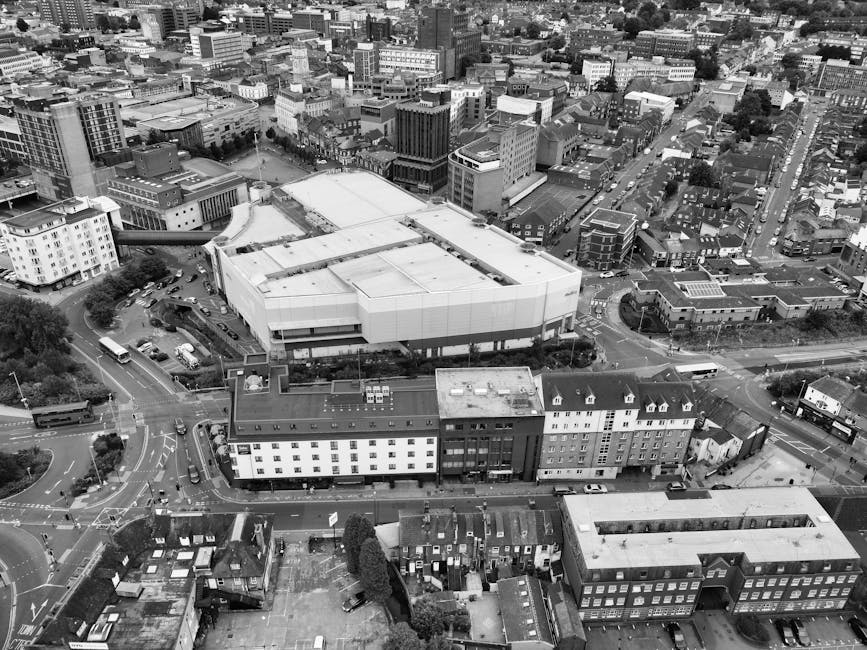
Harrow is a north-west London district with a long history shaped by its position on higher ground above the surrounding suburbs. Harrow on the Hill is the best-known historic core, with a hilltop setting that has made the area visually distinct for centuries. Its profile is closely tied to the presence of Harrow School, founded in 1572, and to the older parish landscape that developed around the summit. The area combines older streets, religious buildings and later residential expansion, creating a layered townscape rather than a single uniform centre. Harrow-on-the-Hill station also reflects the district’s long-standing transport links into central London and across the wider metropolitan network. In the broader borough, district centres such as Wealdstone, Kenton and Pinner add different characters, from more urban retail frontages to quieter suburban roads and village-like streets. Harrow’s built environment ranges from interwar semis and post-war housing to modern apartments and commercial premises, while green spaces and local parks provide relief from the denser corridors. The borough’s history includes the gradual spread of housing and civic development during the nineteenth and twentieth centuries, with the landscape continually reshaped by transport, education, trade and London’s outward growth. Architectural interest can be found in the older hilltop buildings, local churches and surviving historic street patterns, while the surrounding district shows the more practical rhythm of suburban London life. Taken together, Harrow presents a varied and recognisable part of the capital, with a sense of continuity between its historic centre and its later residential neighbourhoods.
When you are planning a move, a few practical details will make the quotation process smoother. A simple list of rooms or items, any awkward access points, and whether the property has stairs, a lift or restricted parking can all help shape the estimate. It is also useful to note whether there are dismantled items, fragile belongings or anything that needs special handling. Clear information leads to clearer planning, and it helps ensure the move is arranged around the realities of the property rather than assumptions.
If you want to prepare properly before booking, gather the main item list first and then check the service page that best matches your move. For lighter jobs, the page on removals near me can be a useful general starting point, while a larger or more specific move may be better matched to one of the service pages above. When you are ready, request a quotation and include the basic details so the move can be priced accurately.
Pricing and quotation details

Removal pricing is normally shaped by the size of the load, the distance travelled, the access at each property and any extra handling required for large or fragile items. That means two moves that look similar at first glance can still need different planning. A small flat move with easy access may be simpler than a shorter journey involving narrow stairs, difficult parking or heavy furniture, so the quotation process should focus on the actual work involved rather than a rough guess based only on postcodes.
It can help to think about the move in practical groups: furniture, boxes, appliances, fragile items and anything that may need disassembly or reassembly. If your move includes a mixture of those, mention it clearly so the estimate reflects the real task. We also support customers who want to compare transport and service combinations, including the broader choice of removals and the more general removal company information page. That can be useful when you want to understand how the job is described before contacting us.
Request a quotation when you have the key details ready. A concise enquiry is usually enough to begin: what is being moved, the pickup and delivery areas, and whether you need packing support or a simple transport-only service. If the job is very small, the page on furniture pick-up may also be relevant, especially when a single item or a few pieces need moving rather than a full household load.
Choosing the right removal approach
Not every move needs the same level of support, and the right approach depends on the items, timing and access conditions. Some customers want a complete removal service that covers packing, loading and delivery, while others only need help moving selected possessions. The most useful way to choose is to match the service to the scale of the task. For example, a full house relocation usually needs more coordination than a single-item delivery, even if the journey itself is short.
Our website also includes related pages such as house removals, removal companies and removals van, which can help you compare wording and service scope. Those pages do not change the core service, but they can make it easier to identify the most suitable route for your move. Where items are valuable, awkward or especially numerous, a more structured removal approach is usually the better choice than a basic transport-only arrangement.
If you are still deciding, a short conversation or written enquiry can save time later. Use the final stage to confirm what needs moving, whether anything is fragile, and whether there are access issues at either property. That is usually enough to build a sensible plan and guide you towards the right quotation.
Practical move preparation
Preparation does not need to be complicated, but it should be thoughtful. Boxes that are clearly labelled, walkways that are kept clear and larger items that are separated from smaller loose possessions all make the day run more smoothly. If there are objects that need extra care, it helps to identify them early rather than leaving them mixed with general household contents. A little planning can reduce handling time and make unloading more straightforward.
There are also a few practical questions that can affect the move itself: whether furniture needs to be dismantled, whether there is lift access, whether a parking bay can be used and whether the destination has any restrictions on arrival time. These are the sorts of details that make a quotation more accurate and help the move feel organised rather than improvised. If the job involves both moving and storage-like staging at the destination, explain that at the outset.
For a clear next step, review the most relevant service page, then request a quotation with the basic move details. If you need an alternative way to describe the work, the general removal services page is a useful reference point before you get in touch.
Related removal pages
The range of pages on this site reflects the different ways people describe the same kind of moving work. Some users look for a broad term, while others prefer a more specific label such as removals, removal company or removal companies. Each can be a sensible entry point depending on whether you are comparing providers, checking the scope of the service or simply confirming that the type of move you need is covered.
If you want to continue reviewing options before sending an enquiry, the page on pricing and quotes is a practical place to look, especially if you are trying to understand how the quotation process works. When you are ready, request a quotation and include the essentials in a short message. That is usually enough to move from planning to a workable estimate without unnecessary back and forth.