Rayners Lane man and van removals parking permit advice
Posted on 14/06/2026
Moving in Rayners Lane can feel straightforward right up until the van turns the corner and there is nowhere sensible to stop. That is usually when the real stress begins. If you are arranging a local move, the right Rayners Lane man and van removals parking permit advice can save time, reduce hassle, and help avoid awkward delays on moving day.
The challenge is not just about parking. It is about access, timing, neighbour complaints, pavement safety, loading restrictions, and whether the vehicle can sit close enough to your door for a smooth load. In a busy residential patch, a little planning goes a long way. Let's face it, nobody wants to spend the first hour of a move doing laps around the block.
This guide walks through what parking permit planning really involves, how to approach it, what mistakes to avoid, and how to make the whole move feel calmer from the start. If you are comparing moving options too, you may also find it useful to look at the wider removal services overview and the local man and van service in Harrow.
Why Rayners Lane man and van removals parking permit advice Matters
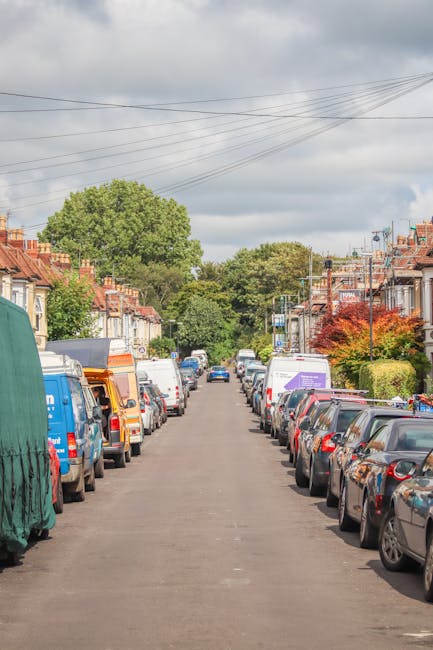
Parking is one of those boring details that becomes very exciting the minute it goes wrong. In Rayners Lane, many streets are narrow enough that a poorly parked removal van can block traffic, upset neighbours, or create a long carry from the vehicle to the property. That last part matters more than people think. A short carry means faster loading, less risk of damage, and a less exhausting day for everyone involved.
Good parking permit advice matters because a man and van move is often built around efficiency. These jobs are usually time-sensitive, often with multiple stops, and sometimes involve stairs, tight front gardens, or shared access. If the van is parked too far away, the whole rhythm of the move gets knocked off balance. A job that should feel tidy can start to feel messy very quickly.
There is also the neighbour factor. Nobody wants a complaint before the sofa has even left the lounge. If a permit or loading arrangement is needed, sorting it early shows respect for the street and keeps the move feeling orderly. That kind of planning is especially useful if you are moving from a flat, managing student contents, or doing a same-day job with a narrow window.
For people who want a broader sense of the local area before moving, the article on living in Harrow from a local perspective gives some useful context, while the St Ann's house removals guide is helpful if you are moving within nearby parts of Harrow.
Practical takeaway: the best parking plan is the one that reduces walking distance, avoids surprises, and keeps the move on time. Simple, but absolutely worth getting right.
How Rayners Lane man and van removals parking permit advice Works
Parking permit advice for removals is really about matching the moving vehicle to the street conditions before moving day. In plain English, you are trying to work out whether the van can stop legally and safely close to the property, or whether a permit, dispensation, suspension, or loading allowance may be needed. The exact process depends on the street, the time of day, and the local parking rules in force at the time.
In practice, this usually means checking three things:
- Whether the road has resident-only bays, pay-and-display bays, yellow lines, or single/double restrictions.
- Whether the property has any frontage space, dropped kerb access, or usable loading area.
- Whether the removal vehicle needs to stay for long enough that a simple stop would not be appropriate.
If you are booking a local mover, you should also think about the size of the van. A small van can sometimes fit where a larger vehicle cannot, which sounds obvious, but it changes everything. A narrow street with parked cars on both sides can be fine for a compact loading stop and hopeless for anything larger. One extra metre makes a difference. Sometimes a silly little difference, but still.
A good removal plan often combines parking awareness with sensible scheduling. For example, if your building has a short window when the road is quieter, the job can be organised around that. If the street is busy at school-run time or commuter peaks, a later or earlier start might be better. This is the sort of detail that makes a move feel well handled rather than improvised.
If you are considering different moving setups, compare them with the local pages on man with a van in Harrow, removal van hire, and house removals in Harrow to see which type of service fits the access at your address.
Key Benefits and Practical Advantages
When parking is planned properly, the benefits are immediate and tangible. You do not need to be a logistics expert to appreciate them.
- Faster loading and unloading: less walking means less lifting time and fewer pauses.
- Lower risk of damage: fewer trips up and down steps or across uneven pavement.
- Less chance of delays: no frantic circling for a legal stopping point.
- Better neighbour relations: a tidy vehicle position reduces annoyance and confusion.
- Less physical strain: this matters more than people expect, especially with heavy furniture.
There is a commercial benefit too. If the van can be placed efficiently, the job usually feels smoother and more predictable. That helps with planning, especially if you are also coordinating keys, cleaning, end-of-tenancy timings, or a second property handover. The whole day becomes easier to manage.
For business customers, the same logic applies. Office moves and small commercial shifts often need a tighter schedule and a cleaner loading plan. That is why it is worth reviewing the broader office removals in Harrow page if your move involves documents, equipment, or building access coordination.
To be fair, the benefit is not glamorous. Nobody is posting celebratory photos of a perfectly parked van. But when the move ends on time and the sofa is in the right room without drama, you will absolutely notice the difference.
Who This Is For and When It Makes Sense
This kind of advice is useful for almost anyone moving in or around Rayners Lane, but some people need it much more than others.
It matters most if you are:
- Moving from a flat with limited street access.
- Living on a road where parking spaces are tight or heavily used.
- Organising a same-day move and can't afford delays.
- Moving large furniture, appliances, or awkward items.
- Trying to avoid complaints from neighbours or building management.
- Working to a narrow key handover window.
Students often underestimate this part, especially when moving between shared houses or studio flats. A box or two is manageable. A bed frame, mattress, desk, and seven bags later, the distance from van to front door suddenly matters a lot. The same is true for flat moves and family homes with narrow roads.
If your move is urgent, the local same-day option may be worth considering alongside parking planning. A good place to start is same day removals in Harrow. If the property is a flat, the access issue tends to be even more important, so flat removals in Harrow can be a useful reference point.
And if your move involves only a handful of items, parking still matters. In small moves, efficiency is everything. One poorly placed van can turn a 40-minute job into a slog. Nobody wants that on a Tuesday morning, or really any morning.
Step-by-Step Guidance
If you want to avoid parking chaos, follow a clear process rather than guessing on the day. Here is a sensible approach that works well for most local moves.
- Inspect the street setup early. Look at the road outside the property, nearby side roads, and any obvious restrictions. Note where parking is usually available and where it is not.
- Check access at both ends. The pickup address and the drop-off address may have very different conditions. One may have easy loading, the other may be awkward.
- Decide how long the van needs. A quick few items may not need a formal arrangement, but a larger load often does. Be realistic rather than optimistic.
- Clarify the vehicle size. If your move includes bulky furniture, use a van that fits the street and the load. This is a planning decision, not just a transport one.
- Ask about permit or parking requirements early. Do not leave this until the day before. It is much easier to organise when there is time to adjust.
- Prepare the property for loading. Keep hallways clear, reserve lift access if relevant, and make sure boxes are ready to go.
- Build in a small timing buffer. Even careful moves hit tiny snags: a locked gate, a neighbour's car, a missing key, a mattress that needs awkward turning. A buffer helps.
A useful rule of thumb: if the van needs to wait, turn, double-park legally, or stay for a meaningful period, treat parking as a real part of the job rather than an afterthought. That is where a lot of move-day stress comes from. Not the lifting, surprisingly. The waiting.
If you need moving help that is organised around practical access, the page on removals in Harrow is a useful starting point, and removal services gives a clearer sense of the wider support available.
Expert Tips for Better Results
In our experience, the best moving days are the ones where the boring details are already handled. Here are a few tips that make a noticeable difference.
- Photograph the parking situation in advance. A quick phone photo can help explain the road layout if you are arranging help or discussing access.
- Separate essential items. Keep keys, chargers, documents, and a kettle kit aside. Moving day feels calmer when the little things are not buried.
- Use short carry routes. If there is a choice between two legal stopping points, pick the one that gives the shortest practical carry.
- Watch the time of day. Morning and evening traffic can change everything on local roads, especially where school runs or commuter parking are involved.
- Be realistic about stair access. A parking spot that looks fine can still be awkward if the lift is out or the stairs are narrow.
One thing people often forget is that parking planning is also about confidence. When the van is where it should be, the crew can focus on the move instead of improvising around preventable issues. That calm tends to spread through the whole day. Even the dog seems to notice.
If the move involves delicate or awkward items, you may also want to review furniture removals in Harrow and, for specialist jobs, piano removals. Larger pieces can change the parking strategy more than you might expect.
Common Mistakes to Avoid
Most parking issues around removals are avoidable. The trouble is that they are also easy to underestimate.
- Leaving it until moving day: this is the classic mistake. By then, options are limited.
- Assuming the van can "just stop somewhere": roads with restrictions rarely forgive optimism.
- Ignoring loading distance: a legal spot that is too far away can still make the move inefficient.
- Forgetting about neighbours or shared entrances: this can create avoidable tension.
- Choosing the wrong size of vehicle: too large for the street, or too small for the job, both create trouble.
- Not checking both addresses: moving out may be easy while moving in is the tricky part.
Another common slip is assuming that a permit solves everything. Sometimes it helps, but it does not magically create space where none exists. You still need to think about road width, turning room, overhead obstructions, and whether the loading area is actually usable. A permit is one tool, not the whole toolbox.
Truth be told, some moves are made harder by overconfidence rather than bad luck. The good news? Once you know what to check, these mistakes become much easier to avoid.
Tools, Resources and Recommendations
You do not need specialist equipment to plan parking well, but a few simple tools make the job easier.
- Phone camera: useful for documenting street layout and access points.
- Notes app or checklist: keep permit questions, arrival times, and contact details in one place.
- Measuring tape: handy if you are checking furniture dimensions against stairwells or doorways.
- Printed move plan: still underrated, especially when batteries run low or signal is patchy.
- Clear labelling: helps reduce time spent carrying boxes back and forth because something was placed in the wrong room.
For planning around payment and booking confidence, it can also help to review payment and security information and pricing and quotes before you confirm. The more clearly you understand the moving arrangement, the easier it is to make practical parking decisions.
If your move involves a broader household transition, packing and boxes in Harrow and storage in Harrow can be helpful next steps. Sometimes the smartest parking plan is tied to how much you are moving now versus later.
Law, Compliance, Standards, or Best Practice
Parking rules vary by street and local authority, so it is wise to treat any parking permit or loading arrangement as something that should be checked rather than guessed. You do not want to rely on memory, because parking enforcement does not tend to reward memory. It rewards compliance.
For removals, best practice usually means:
- Parking only where the vehicle can stop safely and lawfully.
- Avoiding obstruction to traffic, access routes, or emergency access.
- Keeping footpaths clear where possible.
- Following any building rules for flats, estates, or managed properties.
- Allowing enough space for loading without putting people at risk.
If you are dealing with a managed block, landlord, or estate management team, they may have their own access expectations. Those practical site rules can matter as much as road rules. It is worth asking early, even if it feels a bit formal. Better a quick message than a surprise on the day.
For broader trust and service standards, you may also want to browse the company's insurance and safety, health and safety policy, and terms and conditions. Those pages are useful because parking is only one part of a safe, well-run move.
If you are looking into the business itself, the about us page gives helpful background on the company, while the recycling and sustainability page may be useful if you are also clearing unwanted items responsibly.
Options, Methods, or Comparison Table
There is no single "best" parking approach. The right choice depends on the street, the size of the move, and how much time you have. Here is a simple comparison.
| Parking approach | Best for | Pros | Watch-outs |
|---|---|---|---|
| Legal on-street space near the property | Small to medium moves with good road access | Fastest loading, least walking | May be hard to secure on busy roads |
| Permit-based loading arrangement | Longer jobs or tighter streets | More predictable, better for planning | Needs lead time and accurate checking |
| Short stop with a compact van | Smaller moves or limited-item jobs | Flexible and often easier to position | Not ideal for bulky furniture or long waits |
| Off-street driveway or private forecourt | Homes with private access | Very convenient, minimal street disruption | Not available at many addresses |
For many Rayners Lane moves, the real answer is a mix of approaches: a legally parked van, a good arrival time, and a realistic loading strategy. Nothing fancy. Just sensible planning.
Case Study or Real-World Example
Here is a typical local scenario. A couple moving from a first-floor flat near a busy residential road in Rayners Lane had a small-to-medium load: a bed, a wardrobe, a few boxes, kitchen bits, and two awkward chairs. At first, they assumed the van could stop directly outside. On checking the street, though, it became clear that spaces were often taken by early commuters and that a straightforward stop might be difficult.
Instead of leaving it to chance, they planned for an early start, cleared the hallway in advance, and made sure the van size suited the street. The result was simple but effective: the loader had a workable stopping point, the carry distance stayed manageable, and the move finished without any last-minute parking scramble. Nothing dramatic happened. Which, in removals, is exactly what you want.
The key lesson was not that the job required a fancy permit process. It was that checking access early removed uncertainty. Once the parking question was answered, everything else became easier: timing, lifting, and even the mood in the room. You could almost hear the relief when the last box went in.
That same pattern comes up in Wealdstone flat removals and in quicker turnarounds where same-day Harrow movers need to work with limited street space. Good parking planning is quietly powerful.
Practical Checklist
Use this checklist before moving day. It keeps things straightforward.
- Check whether the street has parking restrictions or limited loading space.
- Confirm the size of van needed for your items and the road layout.
- Ask about permits, dispensations, or building access rules if relevant.
- Walk the route from van to property and note any steps, gates, or narrow points.
- Tell the mover about large or awkward furniture in advance.
- Keep your essentials separate and clearly labelled.
- Allow extra time for unexpected delays.
- Make sure someone is contactable on the day.
- Check lift access or shared entry arrangements if moving from a flat.
- Have a backup plan if the usual parking spot is unavailable.
One small but useful habit: stand outside the property at the same time of day your move will happen. Morning traffic, parked cars, school-run patterns, and delivery vans all change the picture. It is a quick reality check, and it helps more than people expect.
Get a free quote today and see how much you can save.
Conclusion
Rayners Lane man and van removals parking permit advice is really about one thing: making your move easier before the first box is even lifted. When parking is sorted properly, the move is smoother, faster, and less stressful. That means fewer surprises, fewer delays, and a much better experience overall.
It does not need to be complicated. Check the street, think about the van size, understand the access at both ends, and allow enough time for the practical side of the move. That simple groundwork is often what separates a rushed, awkward move from a tidy one.
If you want help planning the move in a way that respects both access and timing, explore the local service pages, compare the options, and get your parking questions answered early. A bit of preparation now can save a lot of hassle later. Honestly, it is one of those rare bits of admin that pays you back immediately.
And when the van door finally shuts and the last box is inside, there is a very satisfying feeling to it. Quiet. Relief. Job done.