Harrow town centre office removals case study refit success
Posted on 02/08/2026
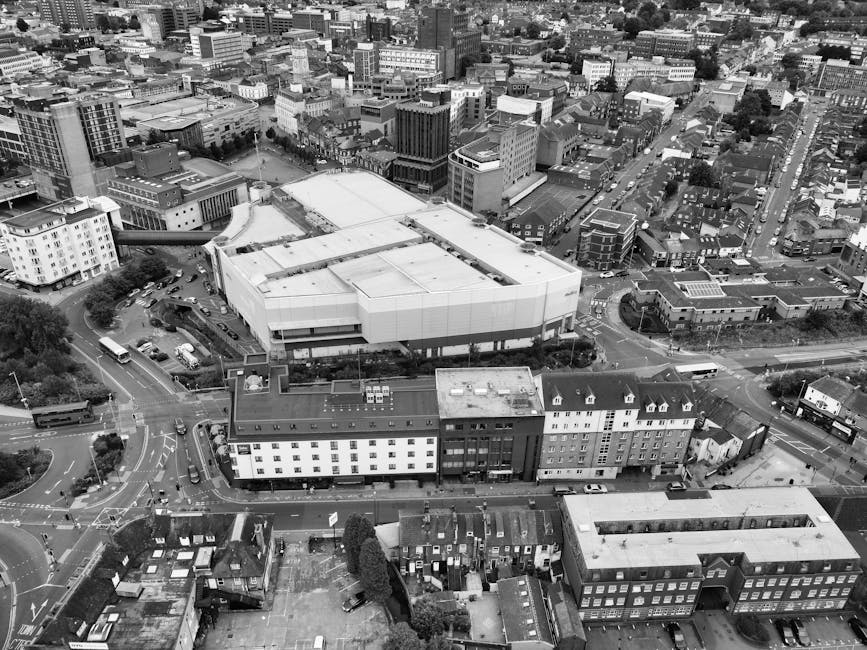
If you are planning an office move in Harrow town centre, the challenge is rarely just "getting the desks from A to B". The real test is whether the move supports a refit, keeps the team working, and avoids that slightly chaotic Monday-morning feeling when half the cables are missing and nobody knows where the finance files went. This guide on Harrow town centre office removals case study refit success breaks down what a smooth move looks like, why it matters, and how to make the transition feel organised rather than punishing.
We will look at the practical side of office removals, from packing and access planning to storage, safety, compliance, and the kind of small decisions that make a refit land well. There is also a realistic example, a checklist, a comparison table, and a proper FAQ section for the questions people usually ask only after the first awkward box has already been taped shut.
Why Harrow town centre office removals case study refit success matters
Office removals in a busy town centre are never just about transport. In Harrow, timing, access, building rules, and staff continuity all matter at the same time. If a move is tied to a refit, then the removals plan becomes part of the renovation plan. Miss that link and you can end up paying for double handling, delays, or temporary storage that could have been avoided.
That is why the phrase "refit success" is doing a lot of work here. A successful move should protect the new layout, the new furniture, and the overall workflow. It should also reduce downtime. In plain English: the office should open in a better state than it left, not in a half-finished, slightly dusty one with nobody sure where the printer lives.
Harrow town centre adds an extra layer. Central streets can mean tighter loading space, awkward access windows, and more pressure on the schedule. That makes planning more important than bravado. You need a removals approach that fits the building, the street, and the people in it.
If you are also weighing the wider moving picture, it can help to look at the company's wider service approach on the services overview page and read a little more about the team on the about page. Those pages are useful when you want to judge whether a mover understands both commercial and domestic logistics in the local area.
How Harrow town centre office removals case study refit success works
The basic idea is straightforward. First, the office contents are assessed. Then the move is scheduled around access, staff availability, and the refit timetable. Items are sorted into what is moving, what is being recycled, what needs storing, and what can stay in place until the last possible moment. After that, the actual removals are carried out in a way that protects the refit sequence.
In a well-run office move, you should see a few things happening in parallel:
- Desks, chairs, filing and IT equipment are labelled by department or zone.
- Fragile items and specialist furniture are handled separately.
- Clear loading arrangements are made for town-centre access.
- Any temporary storage is planned before moving day, not after the panic starts.
- The refit team and removals team know who is doing what, and when.
It is worth saying that good office removals are often about sequencing rather than speed. Speed matters, yes. But the real win comes from moving in the right order. If the new carpet is laid before the old filing cabinets come out, that is a problem. If the IT setup happens before the rooms are painted and cleaned, that is another one.
For many businesses, the most efficient route is to work with a provider that understands both general removals and office-specific handling, including office removals in Harrow, packing support and boxes, and local storage options for items that should not be moved straight into the refit area.
Key benefits and practical advantages
A good office removals plan does more than shift furniture. It creates breathing room for the refit itself. That sounds simple, but in practice it can make the difference between a clean handover and a series of little headaches that all arrive at once.
- Lower downtime: staged removals let some teams keep working while others are moved or refitted.
- Better asset protection: careful packing reduces damage to screens, chairs, storage units, and personal items.
- Improved layout planning: the move becomes an opportunity to fix bottlenecks, not just recreate them somewhere else.
- Cleaner contractor handover: the refit team can work on a clearer, emptier space.
- Reduced stress for staff: people know what is happening and where their things are going.
There is also a commercial benefit that is easy to miss. A well-planned refit move helps your business look competent to staff, clients, and visitors. Even the little details matter. Labels on boxes, a tidy temporary holding area, and a sensible sequence for reassembly send the right signal. It all feels calm. Or at least calmer than usual.
If cost control is part of your brief, you may also find it useful to review the pricing pages and the guidance around hidden charges. The pages on pricing and quotes and avoiding hidden charges are relevant when you want a clearer picture of what a move should include.
Who this is for and when it makes sense
This approach is especially useful for:
- small and mid-sized businesses moving within Harrow town centre
- firms combining a relocation with an internal refit or redesign
- professional practices with file storage, reception furniture, and client-facing spaces
- teams that need to move in phases to avoid closing the office completely
- businesses that want to use the opportunity to declutter, recycle, or store surplus stock
Truth be told, it also suits anyone who is tired of working around a space that no longer fits the business. Maybe the desk arrangement has become awkward. Maybe the meeting room is too small. Maybe cables are everywhere and nobody wants to admit the old layout was a mistake. A move gives you a reset. Not a perfect one, but a proper one.
If your office is located in a mixed-use building or near the busier parts of town, you may also want to read related local guidance on access and streetside logistics, such as street loading and removal permits and insurance and licensing credentials. These are the details that save you from very avoidable headaches.
Step-by-step guidance
Here is a practical way to approach an office removals and refit project without letting it snowball.
- Start with an asset audit. List the furniture, IT, files, storage units, and anything specialist that needs careful handling.
- Separate what is moving from what is staying. This sounds obvious, but it is where many projects go sideways.
- Map the new layout. Don't move things just because they were there before. Ask what the refit is trying to improve.
- Book the removals around the contractor schedule. The removals team, fit-out team, and cleaners should not all be stepping on each other's toes.
- Plan access and loading. Town-centre roads, lifts, stairwells, and entrance points all need checking in advance.
- Label everything clearly. Department, room, floor, and priority all help.
- Use storage if needed. Some items are better held back until the new space is ready.
- Set up the most important areas first. Reception, workstations, and essential IT should usually come before the decorative bits.
- Do a final walk-through. Check for missing items, leftover fixings, and anything that needs moving again before the refit closes out.
A short, slightly boring tip that matters a lot: keep one person in charge of the moving plan. Not five. One. Otherwise, everyone assumes somebody else has the labels, the keys, the keys again, and the adaptor for the monitor. The usual office comedy, really.
Expert tips for better results
If you want the move and refit to feel smooth, a few small habits go a long way.
1. Build around the critical path. Decide what must happen first for the business to reopen properly. That might be the server room, reception, or a customer meeting space. Everything else should support that.
2. Treat IT as a separate project. Desks are one thing. Computers, printers, routers, and network cabling are another. If you lump them together, the whole move gets messier than it needs to be.
3. Use soft packing where it protects high-use items. Chairs, screens, and accessories can benefit from extra padding and structured packing. If you are unsure what needs that level of protection, a provider experienced in furniture removals can help you make the call.
4. Allow a bit of slack in the timetable. One delayed lift slot or one late contractor delivery can ripple through the whole day. Build in margin. A little, not a lot.
5. Don't skip the finish. The end of the move is not the end of the project. Refit success includes clearing packaging, checking reused furniture, and making sure staff can actually work in the new setup.
If the office needs temporary holding space between phases, a move that uses storage in Harrow can keep the site uncluttered and reduce the chance of damage during the refit.

Common mistakes to avoid
Most office move problems are predictable. That is the annoying part. They often happen because people are rushed, optimistic, or both.
- Leaving the pack-up too late: last-minute packing usually means poor labelling and more breakages.
- Ignoring loading access: a van cannot magically fit where there is nowhere legal or practical to stop.
- Not separating old and new furniture: this causes confusion, accidental disposal, and rework.
- Underestimating the amount of IT coordination needed: a desk move without IT planning is only half a move.
- Choosing the cheapest quote without checking the detail: low prices can hide weak service, missing insurance, or poor planning.
- Forgetting staff communication: people need to know when to pack, what to keep, and where to go on day one.
There is a reason people talk so much about cheap removals and hidden costs. The damage from a bad move is rarely just one obvious bill. It is the lost time, the extra labour, the frustration, and the tiny bits of rework that nibble away at the whole week. If that sounds familiar, this guide on cheap Harrow removals is worth a read.
Tools, resources and recommendations
You do not need a huge toolkit to manage an office move well, but you do need the right basics. A few simple things help more than fancy systems that nobody uses.
- Inventory sheets: keep a live list of desks, monitors, storage, and boxed items.
- Label sets and colour coding: useful for departments, floors, and priority items.
- Boxing materials: strong cartons, tape, protective wrap, and marker pens.
- Floor plans: even a simple printout can prevent awkward furniture placement later.
- Storage plan: a short-term holding solution is useful when the refit and move do not happen on the same day.
- Service checklist: confirm who handles packing, carrying, transport, and placement.
For many businesses, a wider removals partner is easier than juggling several separate providers. If the project also includes a smaller branch move, a short-notice relocation, or a lighter load, the flexibility of man and van support or removal van hire may suit the workload better than a full-scale team. That said, for larger or more sensitive office jobs, full removals support is usually the safer call.
Law, compliance, standards, or best practice
Office removals are not only about lifting and carrying. There are practical compliance and best-practice considerations too. In the UK, employers still need to think about health and safety, safe manual handling, and protecting staff, visitors, and contractors during the move.
In practical terms, that means:
- risk assessing the move before the day arrives
- making sure walkways and loading areas are kept as clear as possible
- using suitable equipment and enough trained people for heavier items
- handling confidential files and personal information with care
- checking that contractors understand any building rules or access conditions
Data protection also matters if files, devices, or records are being moved. You do not need to overcomplicate that, but you do need a controlled process. Boxes of paperwork left open in a corridor are not a good look. Nobody really wants that moment.
For reassurance around safety and business standards, it helps to review pages such as insurance and safety, health and safety policy, and terms and conditions. They show how a provider approaches risk, responsibility, and service expectations.
Options, methods, or comparison table
Not every office move needs the same level of service. The right method depends on how much is being moved, how complex the refit is, and how much disruption you can tolerate.
| Method | Best for | Strengths | Watch-outs |
|---|---|---|---|
| Full office removals service | Medium to larger office refits, multi-room moves, sensitive equipment | Better coordination, structured packing, less disruption | Usually needs more planning time |
| Man and van support | Smaller loads, quick transfers, phased moves | Flexible, often quicker to arrange | Less suitable for complex refit sequencing |
| Storage-first approach | Refits with staggered handovers or temporary space constraints | Keeps the site clear, helps with phasing | Needs good labelling and inventory control |
| Hybrid move and refit plan | Projects where teams must keep working during the works | Reduces downtime, supports partial occupancy | Requires strong communication and timing |
If you are unsure which route suits your office, it is often better to start with the simplest question: what has to stay operational during the refit? That answer usually narrows the choice very quickly.
Case study or real-world example
Here is a realistic example based on the type of move that comes up again and again in Harrow town centre.
A local professional office needed to refresh its reception area, replace some tired storage, and reconfigure a few workstations. The business could not fully close because client calls, admin tasks, and appointment handling still needed to happen. So the project was split into stages. The old furniture was sorted first, then the non-essential items were boxed and placed into temporary storage, and the main work area was emptied just before the refit contractors arrived.
The removals team handled the desk and chair movement in a narrow time window, which mattered because access in the town centre was limited. Clear labelling meant the refit team knew exactly which items were going back where. That sounds obvious, but honestly it saved a lot of guesswork. The reception zone went back in first, then the main desks, then the storage and smaller items once the flooring and finishing touches were done.
The success of the project came from three things: sequencing, communication, and not trying to do everything at once. The team also avoided the usual trap of moving unnecessary items "just in case". That alone cut clutter and made the new space feel sharper from day one.
It was not flashy. It was just well run. And that is usually what success looks like in office removals, to be fair.
Practical checklist
Use this checklist before your Harrow town centre office move and refit.
- Confirm the refit schedule and working dates
- List every item to move, store, recycle, or leave in place
- Assign one project owner for the move
- Check access, loading, lifts, stairs, and parking arrangements
- Prepare labels by department, room, and priority
- Back up important data before any equipment is moved
- Separate confidential files for controlled handling
- Book packing materials early
- Agree who disconnects and reconnects IT
- Decide whether temporary storage is needed
- Tell staff what to pack, what not to pack, and when
- Walk the space at the end and check for overlooked items
- Make sure the new layout is usable, not just visually tidy
Expert summary: The best office removals and refit outcomes in Harrow usually come from staged planning, not brute force. If the schedule, access, and furniture sequence are mapped properly, the move feels controlled and the refit tends to land better. That is the real win.
For businesses wanting a broader sense of service fit, the removal services in Harrow page is a useful starting point, and if you need to understand the provider better, the about us page is worth a glance. If you prefer to ask a question directly, the contact page is there as well.
Conclusion
Harrow town centre office removals case study refit success is really about combining two jobs into one sensible plan: moving the office and improving it. When the removals are handled with the refit in mind, you protect time, reduce stress, and give the business a better final result. That is the point. Not just a moved office, but a better one.
The strongest projects are usually the ones where everyone knows the sequence, the access plan, and the end goal. Nothing magical, just good coordination and a bit of patience. If you are staring at a room full of furniture and thinking, "Right, where do we even start?" - that is exactly where a clear removals strategy earns its keep.
Get a free quote today and see how much you can save.
And if you approach the move with a calm plan, a bit of local know-how, and a few extra labels on the boxes, you will give the refit the best possible chance to feel like progress rather than upheaval. That makes a difference, honestly.